
学校2015
专家开出青少年暑期运动处方_我的网站

A |
新华社长沙7月6日电(记者帅才)暑期来临,孩子们有更多时间参加体育锻炼。 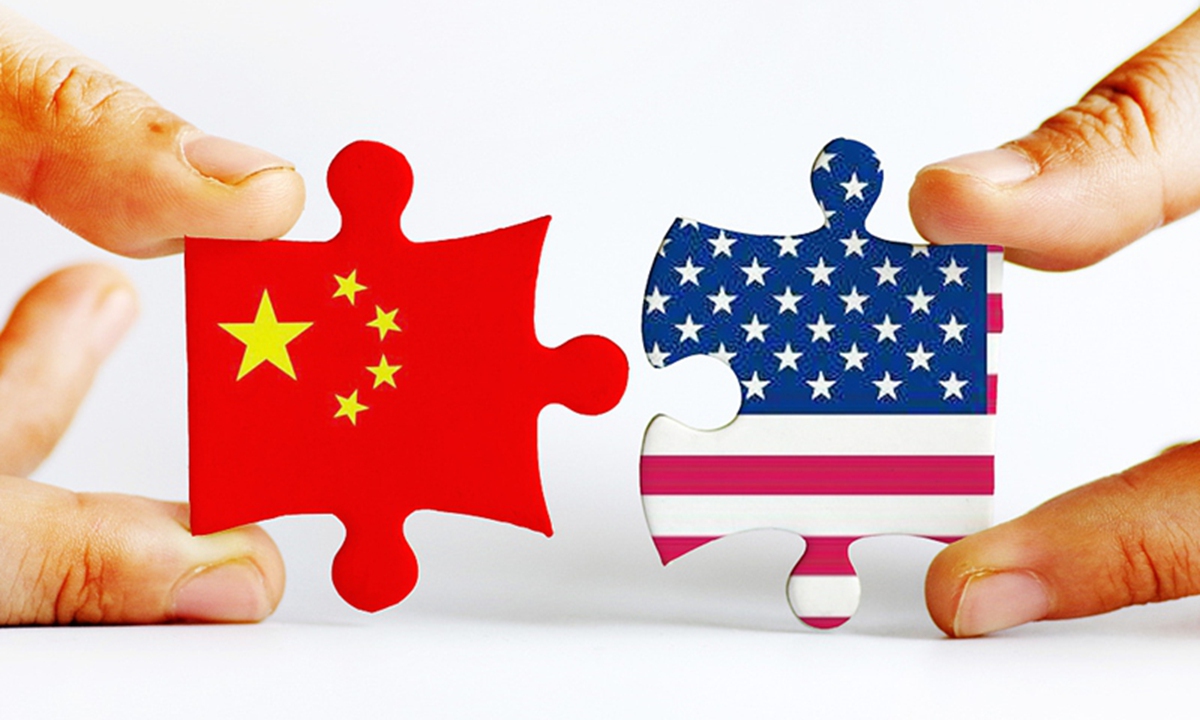
The proposed Office of Management and Budget (OMB) rule, set to take effect in December, would mark one of the biggest overhauls of US science funding in decades, giving political appointees greater authority over grant awards previously guided by scientific peer review and requiring that they "advance the President's policy priorities," according to the Washington Post.
It would also effectively expand the 2011 Wolf Amendment, which bars scientists from using NASA funding for bilateral collaborations with China, to all federal agencies and scientists receiving federal funds, marking the largest break in US-China scientific engagement in decades, the US media outlet reported.
So far, the proposed rule has garnered nearly half a million public comments, many from scientists and leading US science bodies. A Washington Post analysis of 50,000 of those comments found that around 88 percent were negative.
The rule, initially set to take effect in October, was pushed back to December after a bipartisan stopgap funding bill temporarily halted its adoption. Unlike the Wolf Amendment, the rule does not require congressional approval to take effect.
"I do think there are still members of Congress who think we have a monopoly on knowledge. They think we're still in the Cold War Soviet era ... where we were ahead in most areas of science and technology. That is not the case with China. We are no longer the leader in many areas of science," said Tobin Smith, senior vice president for government relations and public policy at the Association for American Universities, which advocates on behalf of leading US research universities, per the Washington Post.
Scientists warn that the rule risks subjecting long-term scientific research to four-year political cycles. "We will not succeed if with every new administration we are ping-ponging back and forth about priorities," the American Association for the Advancement of Science said in a blistering comment, urging the administration to withdraw the rule. "Fast-tracking such profound changes ... hands an easy victory to nations like China," it said, the Washington Post reported.
This reflects a fundamental divide between the US government and the scientific community over how science should develop, Wang Yiwei, a professor at Renmin University of China's School of International Studies, told the Global Times. He noted that politicians tend to believe that suppressing China as a competitor would allow the US to preserve its market dominance and technological edge.
Scientists, however, tend to follow a different logic, as scientific progress depends on openness, exchanges and collaboration. If science and technology are driven solely by competition and private capital, with the ultimate goal of maintaining technological monopolies, this could create greater risks and ultimately undermine US interests as well, Wang said.
The proposed rule change is the latest salvo in a broader battle in Washington over how to respond to China's rise as a scientific superpower. In July, the US National Science Foundation (NSF) also moved to ban collaborations between scientist it funds and many Chinese research institutions and their employees, according to Science magazine.
Liu Shaoshan, director of the Center for Embodied AI at the Shenzhen Institute of Artificial Intelligence and Robotics for Society and a former US-based researcher, told the Global Times in a previous interview that the NSF's new proposed rules created a "talent wall," arguing that restrictions based on nationality, institutional affiliation, and research partnerships could reduce the global talent pool available to the US, weaken its ability to attract leading scientists, and slow scientific innovation.
Liu also said scientific advancement relies not only on discovery but also on the exchange, validation, and dissemination of knowledge.
Wang also said China has built significant strengths through its vast pool of scientists and engineers, complete industrial chains and massive application scenarios, while increasingly moving from application-oriented innovation toward original research. Against this backdrop, US technological blockades and restrictions on cooperation are unlikely to halt China's progress, but could instead isolate American scientists from China's latest research and collaboration opportunities. Such an approach could also prevent the two countries from leveraging their respective strengths and ultimately undermine US competitiveness, Wang said.
。记者近日从长沙市部分医院了解到,近期医院骨科收治发生运动损伤的青少年患者增多。专家提醒,青少年暑期运动要注意安全,合理选择运动项目。长沙市第三医院骨科副主任医师张卓介绍,近期发生跟腱损伤的青少年患者增加。有的青少年在踢足球时和伙伴进行激烈身体对抗,发生了跟腱断裂。长沙市第三医院骨科二十三病室主任陈松介绍,跟腱是人体最强壮的肌腱,它的主要功能是传导小腿肌肉力量至足部,是支持人体直立、完成跑跳等动作的“主力”。
The proposed Office of Management and Budget (OMB) rule, set to take effect in December, would mark one of the biggest overhauls of US science funding in decades, giving political appointees greater authority over grant awards previously guided by scientific peer review and requiring that they "advance the President's policy priorities," according to the Washington Post.
It would also effectively expand the 2011 Wolf Amendment, which bars scientists from using NASA funding for bilateral collaborations with China, to all federal agencies and scientists receiving federal funds, marking the largest break in US-China scientific engagement in decades, the US media outlet reported.
So far, the proposed rule has garnered nearly half a million public comments, many from scientists and leading US science bodies. A Washington Post analysis of 50,000 of those comments found that around 88 percent were negative.
The rule, initially set to take effect in October, was pushed back to December after a bipartisan stopgap funding bill temporarily halted its adoption. Unlike the Wolf Amendment, the rule does not require congressional approval to take effect.
"I do think there are still members of Congress who think we have a monopoly on knowledge. They think we're still in the Cold War Soviet era ... where we were ahead in most areas of science and technology. That is not the case with China. We are no longer the leader in many areas of science," said Tobin Smith, senior vice president for government relations and public policy at the Association for American Universities, which advocates on behalf of leading US research universities, per the Washington Post.
Scientists warn that the rule risks subjecting long-term scientific research to four-year political cycles. "We will not succeed if with every new administration we are ping-ponging back and forth about priorities," the American Association for the Advancement of Science said in a blistering comment, urging the administration to withdraw the rule. "Fast-tracking such profound changes ... hands an easy victory to nations like China," it said, the Washington Post reported.
This reflects a fundamental divide between the US government and the scientific community over how science should develop, Wang Yiwei, a professor at Renmin University of China's School of International Studies, told the Global Times. He noted that politicians tend to believe that suppressing China as a competitor would allow the US to preserve its market dominance and technological edge.
Scientists, however, tend to follow a different logic, as scientific progress depends on openness, exchanges and collaboration. If science and technology are driven solely by competition and private capital, with the ultimate goal of maintaining technological monopolies, this could create greater risks and ultimately undermine US interests as well, Wang said.
The proposed rule change is the latest salvo in a broader battle in Washington over how to respond to China's rise as a scientific superpower. In July, the US National Science Foundation (NSF) also moved to ban collaborations between scientist it funds and many Chinese research institutions and their employees, according to Science magazine.
Liu Shaoshan, director of the Center for Embodied AI at the Shenzhen Institute of Artificial Intelligence and Robotics for Society and a former US-based researcher, told the Global Times in a previous interview that the NSF's new proposed rules created a "talent wall," arguing that restrictions based on nationality, institutional affiliation, and research partnerships could reduce the global talent pool available to the US, weaken its ability to attract leading scientists, and slow scientific innovation.
Liu also said scientific advancement relies not only on discovery but also on the exchange, validation, and dissemination of knowledge.
Wang also said China has built significant strengths through its vast pool of scientists and engineers, complete industrial chains and massive application scenarios, while increasingly moving from application-oriented innovation toward original research. Against this backdrop, US technological blockades and restrictions on cooperation are unlikely to halt China's progress, but could instead isolate American scientists from China's latest research and collaboration opportunities. Such an approach could also prevent the two countries from leveraging their respective strengths and ultimately undermine US competitiveness, Wang said.
。记者近日从长沙市部分医院了解到,近期医院骨科收治发生运动损伤的青少年患者增多。专家提醒,青少年暑期运动要注意安全,合理选择运动项目。长沙市第三医院骨科副主任医师张卓介绍,近期发生跟腱损伤的青少年患者增加。有的青少年在踢足球时和伙伴进行激烈身体对抗,发生了跟腱断裂。长沙市第三医院骨科二十三病室主任陈松介绍,跟腱是人体最强壮的肌腱,它的主要功能是传导小腿肌肉力量至足部,是支持人体直立、完成跑跳等动作的“主力”。

B | 突然的蹬地动作、猛烈跑跳等动作容易导致跟腱断裂。跟腱一旦断裂,脚后跟会出现明显的疼痛、肿胀,无法完成单脚踮起脚尖、提起脚后跟的动作,不能正常行走。专家提醒,青少年在运动时,如果听到跟腱处有“啪”的断裂声,并且局部出现可触及的凹陷,脚后跟肿胀、疼痛时,就要考虑跟腱断裂的可能,应立即停止一切活动,以免造成断裂的加重,及时到医院进行检查和治疗。陈松提醒,青少年在运动之前,应进行充分的热身活动,舒展全身的关节、肌肉,降低受伤的风险;青少年要根据身体条件选择合适的运动方式,避免突然过猛地进行跑跳等动作;青少年在打篮球、踢足球等激烈运动中可以戴相应护具,加强对肌肉和关节的保护。

C | 专家提醒,青少年可以找专业教练根据自己的体重、身高、肌肉水平等设计训练方案和计划,还可以到医院运动科进行测试,了解自己的心肺功能情况,并根据自身情况设计科学的运动方案。湖南省人民医院儿科门急诊主任曾赛珍提醒,青少年骨骼相对于成人骨骼来说更柔软,在进行一些激烈运动时更容易骨折变形。青少年可以根据自身生长发育特点,选择慢跑、跳绳、仰卧起坐、游泳、健身操等运动。中南大学湘雅三医院儿科副教授陈志衡建议,青少年在酷暑时节不要进行激烈的户外运动,以免发生严重中暑。
Current article:http://k6xi.wengsengzhanhuangu.cyou/list_9pl4/cqwuil8.html
Published on:06:50:05
相关新闻
- 福安葡萄有点“潮”
- 中国人能飞 解释不清了:雅迪绝区零联名车被范十三改升级成飞行器
- 豪恩汽电与Microchip Technology深化ASA-ML生态战略合作
- 台风“梅花”来势汹汹,官兵严阵以待!
- 托卡耶夫压倒性大胜,他干的第一件事,被解读为给普京“上眼药”,朔方瞭望,原创 托卡耶夫压倒性大胜,他干的第一件事,被解读为给普京“上眼药”
- 很积极啊!希尔德半场2分1板 但正负值高达+15队内第二高
- 检察机关依法分别对张光亲、田晓川、都新建、张深秋提起公诉
- 国家数据局:规范开展公共数据授权运营
- 人工智能开源大模型累计下载破百亿次 工信部详解三大着力点
- 重金属总量(铅)、邻苯二甲酸酯等超标,fata moda牌儿童拖鞋被召回
最后更新
热门新闻
- 记者:帕利尼亚转会本菲卡交易完全敲定,预计几小时内官宣
- 无问芯穹夏立雪:智能体带来Token分层,国产芯片适配效果明显提升
- 探访小鹏汇天飞行汽车量产工厂(组图)
- 美媒承认:美军狂炸五个月,也没把伊朗打垮,却送它坐上中东新霸主的位子?,兵器要闻,原创 美媒承认:美军狂炸五个月,也没把伊朗打垮,却送它坐上中东新霸主的位子?
- 2-0晋级!中国女网24岁1米82王牌复出夺6连胜:提速冲击前100
- 在新加坡实现财务自由只要61万新元? 近半新加坡人认为自己永远办不到
- 市场监管总局:累计实施质量攻关重点项目2060个
- 中央考核巡查组明查暗访后,内蒙古推进重大事故隐患整改
- 午间涨跌停股分析:56只涨停股、0只跌停股,证券概念走强,锦龙股份、湘财股份涨停
- 《人民日报》评论:我喜欢“满脸大哭”,但我不是00年代后的一代。